Orthodox Pathway

When Services Go Awry
Orthodox Services, though usually peaceful and very reverant are susceptable to disruptions by people who disrupt that peace. Here are some tips for how to handle such situations.
ORTHODOX CHURCHNEWLY ORTHODOXCHRISTIANITYPRAYERDISRUPTIONS
4/14/20261 min read
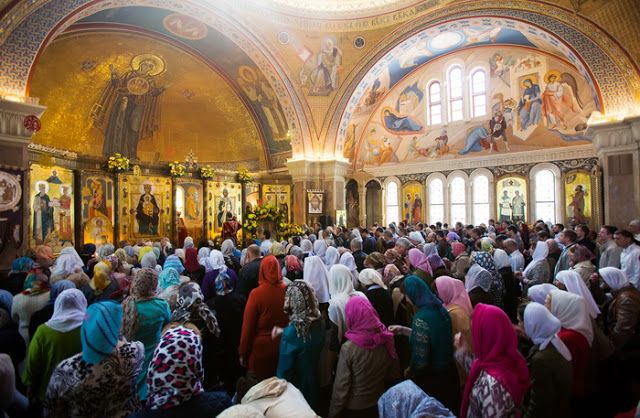
Worship is a time set apart — a shared moment of prayer, confession, and communion. When a fellow parishioner takes it upon themself to police others’ behavior during the service, it breaks trust and disturbs the prayerful atmosphere. Below is a short, compassionate blog post you can use or adapt for your parish website or newsletter.
When someone interrupts the flow of prayer
We gather in church to worship God together: to pray, to hear the Word, and to receive the sacraments. Occasionally, well‑meaning or overzealous members may try to “enforce” how others should participate. Ordering people to stand, shushing loudly, or otherwise policing behavior during the service creates confusion, distracts the faithful, and can wound relationships.
What to do in the moment
Remain calm and avoid confrontation. A raised voice or argument only deepens the disruption.
Continue your prayers quietly if you can; model reverence rather than reacting.
Discreetly alert an usher, warden, or the clergy so they can intervene without escalating the situation.
If someone is distressed or vulnerable, quietly help them move to a less exposed spot.
Why public policing harms the community
Worship is communal, not performative. Each person’s relationship with God is personal and often private.
Public correction during liturgy can shame and alienate people, including newcomers.
It places volunteers and clergy in a difficult position, interrupting pastoral care and the flow of worship.
How clergy and leadership can respond
Address the individual privately, with pastoral charity and clear boundaries, rather than calling them out in public.
Offer education about liturgical norms and why pastoral leaders—not fellow parishioners—are responsible for order.
Use restorative steps: listening to the person’s concerns, explaining the harm caused, and agreeing on future conduct.
If the behavior persists, follow the parish’s disciplinary process to protect the community’s wellbeing.
A simple reminder to the congregation
Clergy might consider a short, kindly worded announcement: “Please respect the prayerful space by allowing clergy and ushers to guide the service. If you have concerns about participation, speak with us privately so we can help.”